
Welcome!
The Vredefort Dome is the centre world’s best preserved and largest visible meteorite impact crater. It stretches from Johannesburg to Welkom, a distance of over 300 km. The Dome is the huge granite plug filling the hole left by the asteroid. For its scenic beauty and scientific value, the Dome is a UNESCO World Heritage Site.
The Everest of Impact Craters – Read about what makes it amazing.
Meet your expert tour guides.
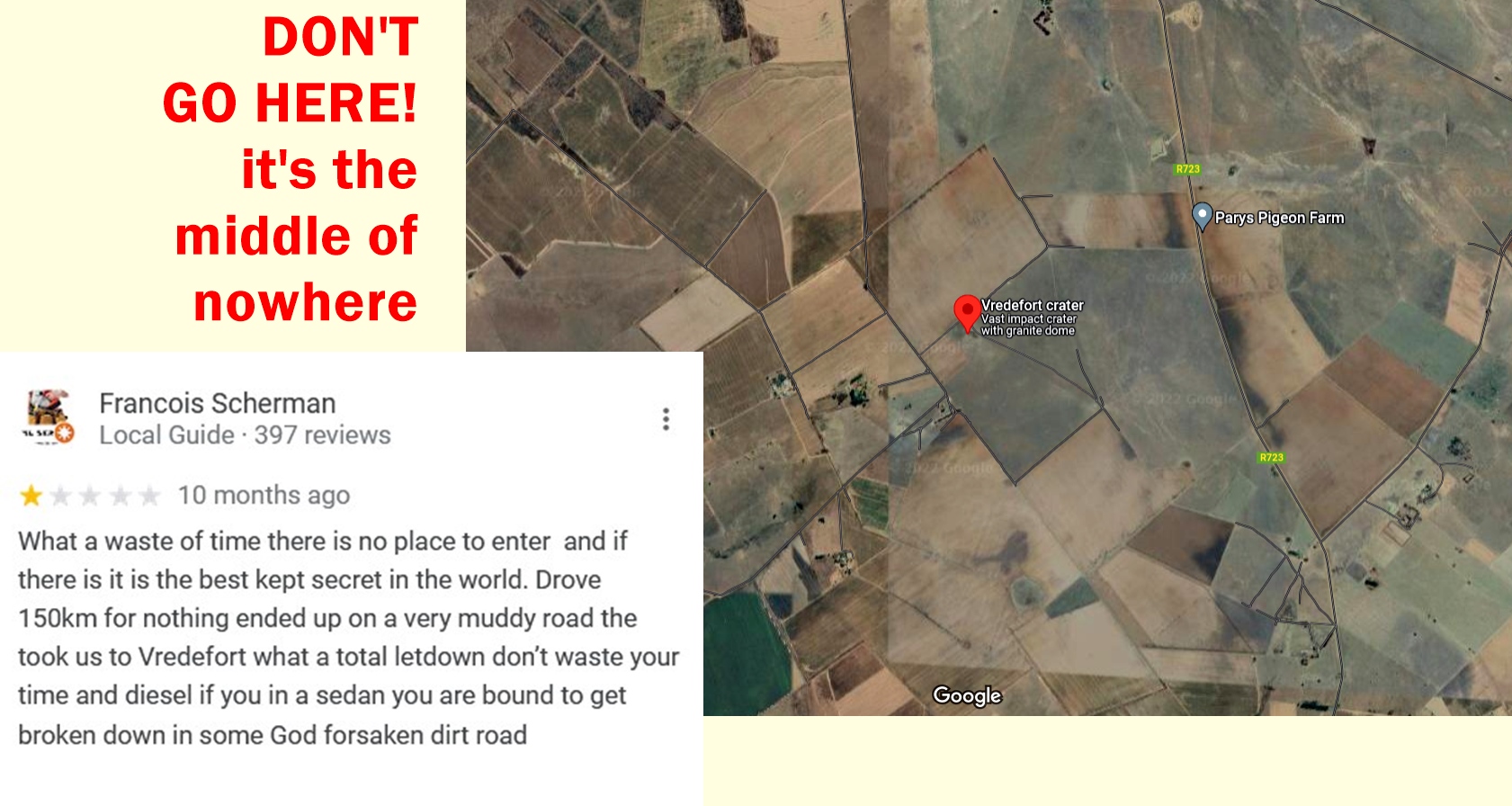
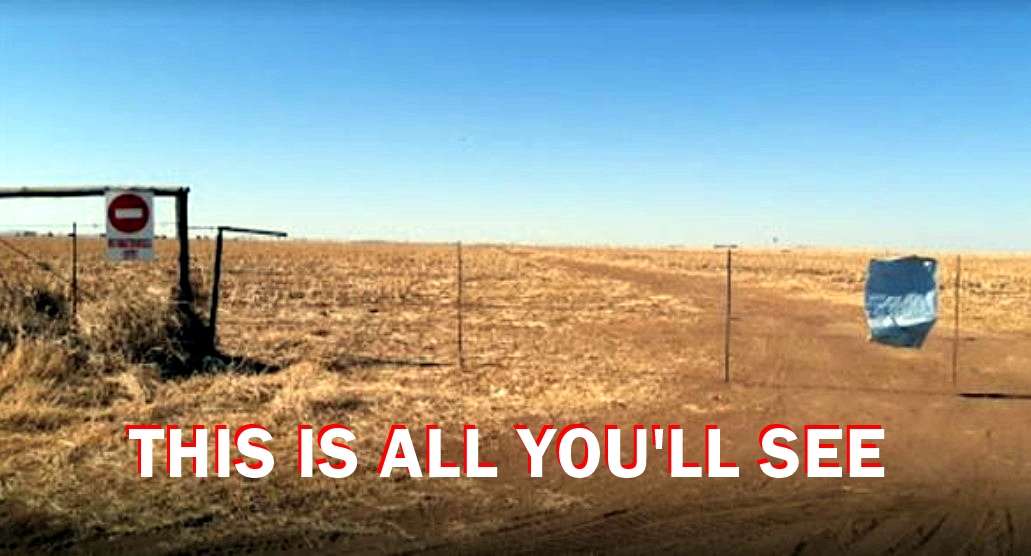
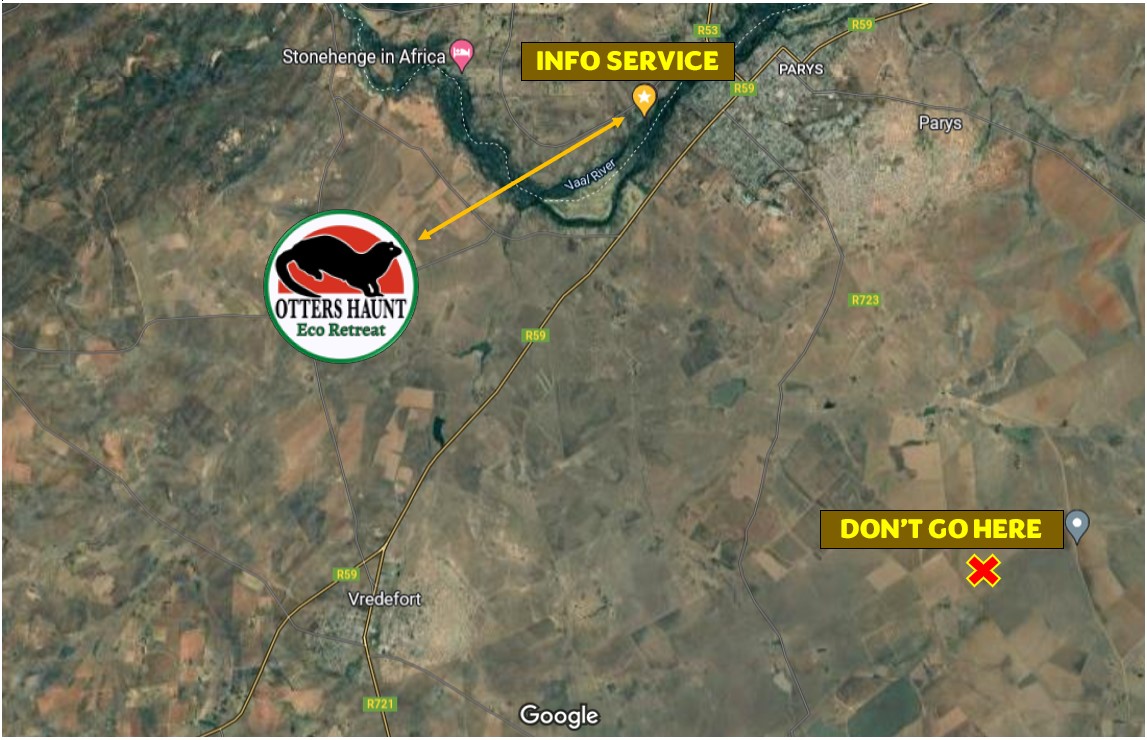
Trying to find the Dome location? – Come here
Ways to see the Dome
- Dome by road – halfday and fullday tours
- Dome by raft or canoe – by water through magnificent scenery
- Dome on foot – hike with us to viewpoints
- Dome cycling – traverse the landscape on two wheels
- Self-drive with our map – come for a briefing and get the kit
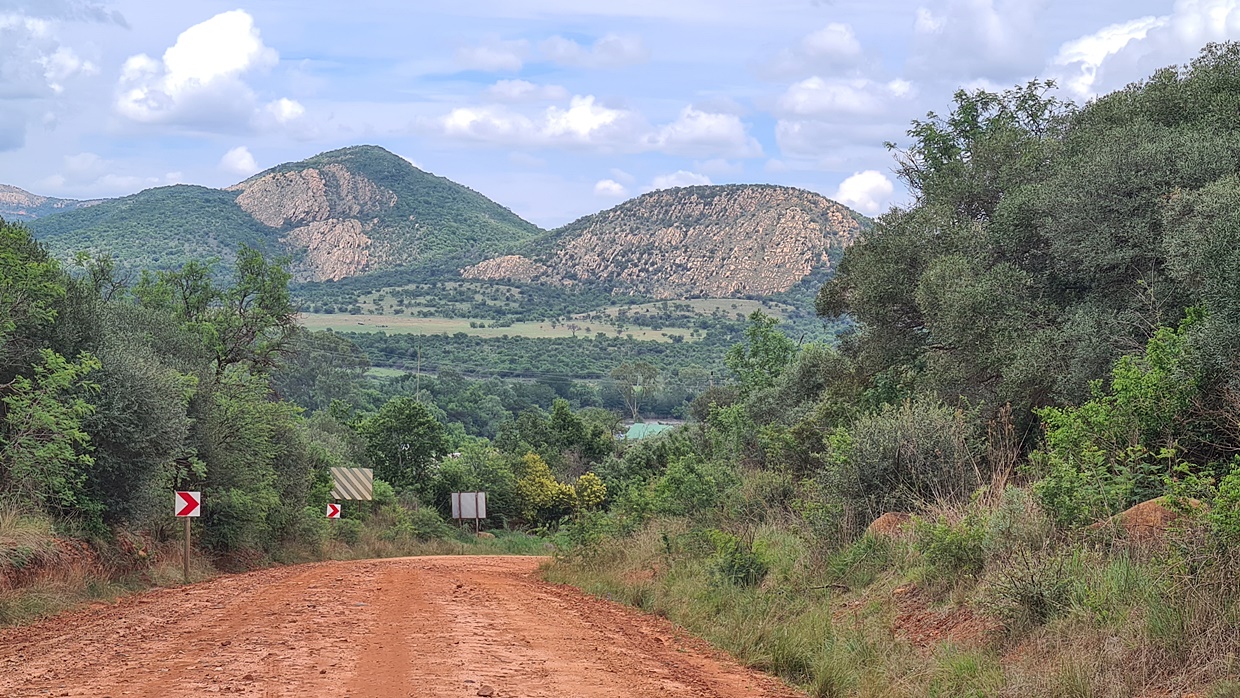
 The Dome was finally agreed by geologists in South Africa in 1994. In 2005 it was declared a World Heritage Site at a UNESCO conference in Durban.
Many people living on the Highveld in South Africa have no idea they are on top of the world’s largest impact crater. It is famous throughout the world and attracts many visitors.
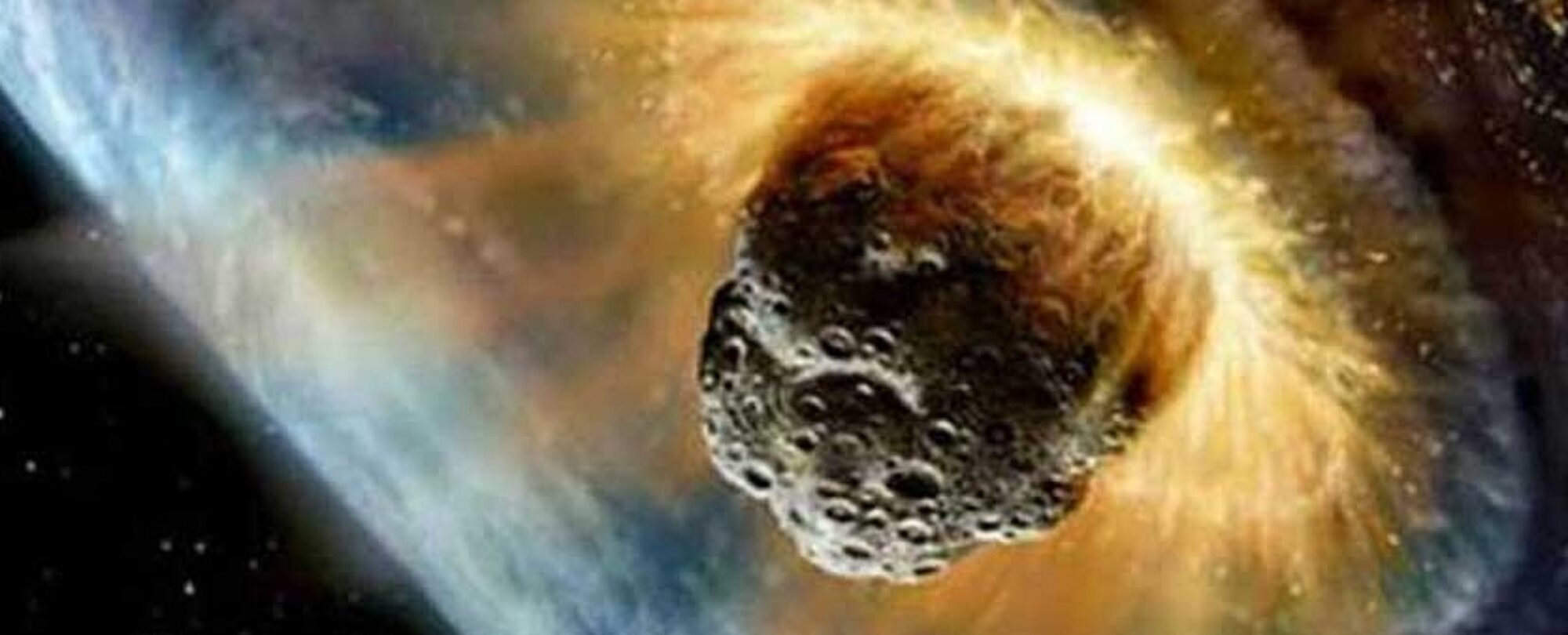
Bang! And the Earth shook
 VISIT and meet the expert guides who explain and show you the Dome. It’s scenic, scientific and breathtaking.
Tour with us, or drive with our map after getting the briefing. We explain what you will see. You can also hike to viewpoints or raft through the Dome and mountains.
FACT: The Vredefort Dome is the best preserved large impact site on Earth. Its story is at the heart of South Africa.
South Africa would not be what it is without this feature, which brought gold to the surface and shaped our history. It is very eroded and what we now see is the root or deep structure.
 FACT: This was NOT the impact that killed off most of the dinosaurs. That impact happened at Chicxulub, Mexico, only 66 million years ago.
The Vredefort crater is far larger than the 11km Chicxulub rock and much, much older at two billion years. It is thought the impactor here was 22-25 km across and blew a hole up to 70km deep in the Earth’s crust.
SURPRISE! The Vredefort Dome isn’t a dome and it’s not at Vredefort.
The dome is a mighty big, collapsed plug of granite in the centre of the whole 3-ringed crater. The small town of Vredefort is nearest the centre, but the Dome covers a vast area including several towns.
DON’T TRY IT ON YOUR OWN. The phenomenon needs an explanation or you won’t have a clue and will leave disappointed.
Many visitors are frustrated because they haven’t been told what to look for. If you don’t take our tour, we have a wonderful self-drive kit & briefing. Come and get it.
ABOUT THE DOME: The Science The Scenery The Battlefields
Dome Core and Collar
The Dome is only the centre of what may be described as a vast 3-ringed crater stretching 300km from Johannesburg to Welkom. The three rings are, in fact, just what remains of the root of a mighty “astrobleme” or star scar, on our planet. This schematic view is only an approximate to show the structure. In fact, it is not circular but pear-shaped, and only the north-western sector is clearly visible as in the Space Shuttle photo below.
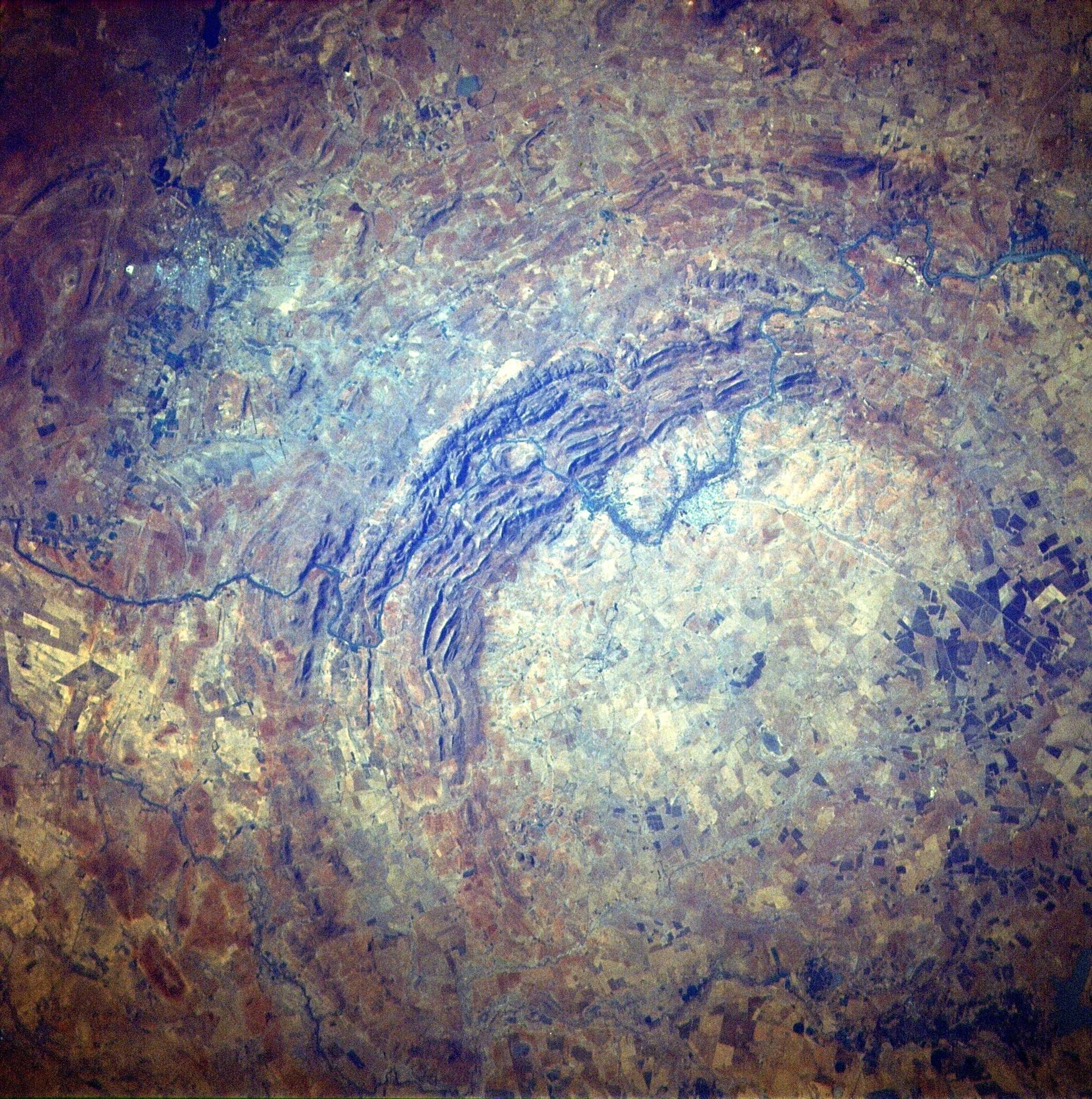
This photo taken from the Space Shuttle in the 1980s gave us the best view of the Dome and first ring of the crater. Geologists call this the Core and the Collar. The impactor probably came in at an angle, driving up the mountains in the northwest (called the Dome Bergland). The landscape may also have tilted over time, and the circular crater squeezed out of shape.